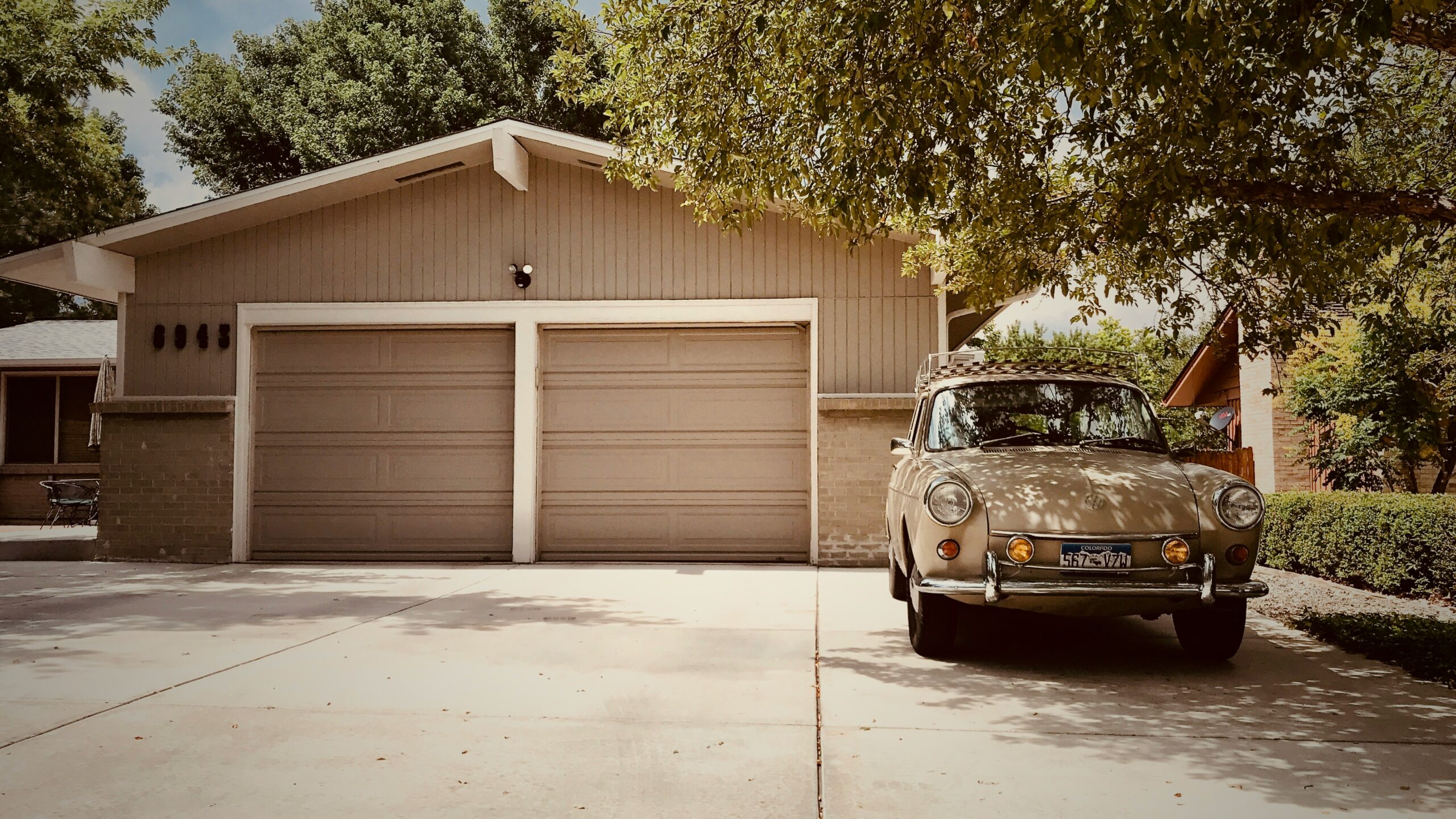
Adding a new garage is one of the most practical ways to increase your property’s value, secure your vehicles, and create extra storage space. But how much does a garage build cost in NZ? In 2026, the average cost to build a new garage ranges from $1,200 to $2,500+ per square metre, translating to total budgets of roughly $25,000 to $70,000+ depending on the size and materials.
For most homeowners, the total garage cost in NZ will be determined by whether you choose a kitset or custom build, the thickness of the concrete slab, framing, roofing, and council consent fees. A garage build often requires associated works such as driveways and retaining walls, which can significantly increase the total cost. As a Quantity Surveyor estimating both residential and commercial projects across New Zealand, I frequently see homeowners shocked by the “hidden” costs of building a garage—especially when it comes to fire ratings and earthworks. In this guide, I will break down the real costs for single and double garages, what drives the price up, and how to avoid budget blowouts.
Average Garage Build Cost per m² NZ (2026)
The cost per square metre varies significantly based on the level of finish and whether the garage is customized to match your existing house or bought as a prefabricated kitset.
| Garage Type / Finish | Cost per m² | What’s Included? (Scope of Work) |
| Kitset (Steel Frame) | $1,200 – $1,500 per m² | Prefabricated steel structure, basic concrete slab, no internal lining (GIB), manual roller door. |
| Custom (Timber Frame) | $1,800 – $2,500+ per m² | Standard timber framing, Colorsteel roofing, automatic sectional door, basic electrical, fully lined. |
Kitset vs Custom Garage Cost NZ: Which is Better?
When comparing quotes, you must understand the difference in scope between these two options.
- Kitset Garage ($1,200 – $1,500 per m²): Kitset garages are cheaper upfront but often exclude internal lining, insulation, and electrical work. They are essentially high-quality sheds and are perfect if you just need raw storage space.
- Custom Built Garage ($1,800 – $2,500+ per m²): Custom garages are designed to match the cladding and roof profile of your existing home. The higher price includes full timber framing, insulation, GIB lining, painting, and often plumbing for a laundry area.
Single vs Double Garage: Estimated Total Costs
To give you a practical budget, here is what you can expect to pay for the complete construction of standard sizes:
1. Single Garage (Approx. 18m² – 20m²)
Estimated Total: $25,000 – $40,000+
A single garage is ideal for sections with limited space. However, the cost per m² is generally higher than a double garage because you still have to pay for the site setup, concrete pump, and council consents regardless of the smaller size.
2. Double Garage (Approx. 36m² – 40m²)
Estimated Total: $45,000 – $70,000+
A standard double garage is the most popular choice in New Zealand. This size provides enough room for two vehicles side-by-side with a small amount of space for a workbench or storage.
Attached vs Detached Garages
Detached (Free-standing) Garages:
Building a detached garage is usually cheaper and faster. Because it does not share a wall with your main dwelling, the structural and fire-rating requirements are often less complicated.
Attached Garages:
Building a garage connected to your existing home is more convenient and adds more value to the property, but it is more expensive. Under the NZ Building Code, any wall separating an attached garage from the habitable rooms of the house must have a strict fire rating (typically fire-rated GIB board).
The Hidden Costs: What Increases Your Budget? (QS Breakdown)
A garage is not just a shed. It requires heavy engineering. Be prepared for these specific cost drivers:
- Concrete Slab Cost: A garage requires a heavy-duty reinforced concrete slab to support the weight of vehicles. A standard reinforced concrete slab typically costs $120 – $180 per m².
- Earthworks & Retaining: If your site is sloped, you must cut into the land. Extensive excavation and structural retaining walls can easily add $5,000 to $15,000+ to the project. 👉 Read more: Retaining Wall Cost NZ
- Driveway Connection: You will need to connect the new garage to the street. Pouring a new concrete driveway and obtaining a Vehicle Crossing Permit from the council is a separate project. 👉 Read more: Driveway Cost NZ
- Council Consents: Unlike a small garden shed, a standard garage requires a Building Consent. Depending on your local council, consent fees, inspections, and processing can cost between $2,500 and $5,000.
Frequently Asked Questions (FAQ)
Do I need building consent for a garage in NZ?
Yes. Any building over 30 square metres requires a Building Consent in New Zealand. Even if your single garage is under 30m², you still need consent if you are adding plumbing or if it is closer to the boundary than its own height.
(QS Note: Many homeowners confuse this with the new 2026 “70m² Granny Flat Exemption”. The 70m² rule only applies to self-contained standalone dwellings built by an LBP, not standard outbuildings or simple garages. Even if your garage is under 30m², you still need consent if you are adding plumbing or if it is too close to the boundary).
How long does it take to build a double garage?
Once building consent is approved, constructing a standard timber-framed double garage typically takes between 4 to 8 weeks, depending on weather conditions and subcontractor availability.
Is it cheaper to build a timber or steel-framed garage?
A basic steel-framed kitset garage is cheaper upfront. However, timber framing is often preferred for custom builds in NZ because it is easier to line with GIB, easier to insulate, and blends perfectly with existing residential homes.
Planning a wider property upgrade? A new garage often goes hand-in-hand with an overall property makeover. To complete your cost planning, check out our Landscaping Cost NZ guide for finishing your outdoor areas, or see our Full Home Renovation Cost NZ guide.